US Dollar

Marking Flags vs Marking Paints - Which Is Best?
When it comes to construction sites, surveying, landscaping, and utility work, visibility is everything. Marking tools help keep workers safe, define boundaries, and ensure projects stay on track.
The two big players in the marking world? Marking flags and marking paint. But which one is the right fit for your project? Let’s break it down.
What are marking flags?
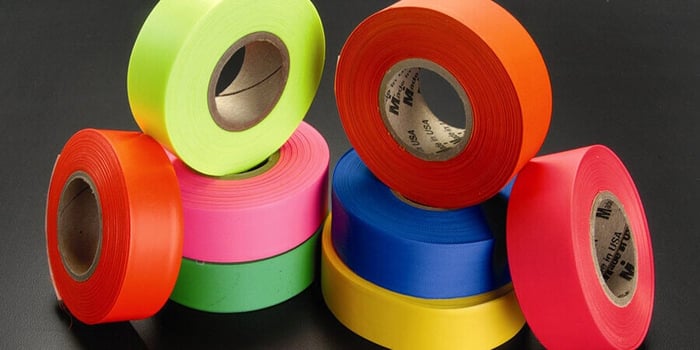
Marking flags are vibrant, weather-resistant marking tools attached to stakes made of wood, plastic, or fiberglass. Like permanent marking solutions, they’re commonly used to identify specific locations, boundaries, or points of interest.
Thanks to their height and fluttering movement, marking flags are easily visible from a distance—making them a go-to choice for open areas. Here are some common uses of marking flags:
Construction site marking: Flagging boundaries, work zones, and hazardous areas.
Utility marking: Indicating underground utilities like water, gas, or electrical lines.
Surveying: Marking survey points, reference locations, and boundary lines.
Safety marking: Identifying caution zones or restricted access.
Landscaping: Flagging tree locations, plantings, or other key site features.
What is marking paint?
Marking paint is a fast-drying spray paint used to create sharp, visible markings on dirt, concrete, asphalt, and grass. Ideal for temporary marking solutions, it’s often used in environments where clear, long-lasting lines are necessary.
Marking paint is a preferred choice for high-traffic areas. Here are some common uses of marking paint:
Construction site marking: Defining boundaries, lanes, and work zones.
Utility marking: Marking the location of utility lines and underground services.
Surveying: Indicating property lines, reference points, and survey boundaries.
Road marking: Creating lane markings, crosswalks, and directional arrows.
Sports field marking: Defining game boundaries and playing zones.
Advantages of Marking Flags
Stake flags come with plenty of perks. The best marking flags are:
Highly Visible: Their height and fluttering movement make them stand out, even from a distance.
Weather-Resistant: Rain, wind, or shine, surveying flags won’t let you down. They’re built to withstand the elements.
Reusable: Unlike paint, marking flags can be reused if properly taken care of.
Flexible: They’re great for jobs where you might need to make quick adjustments.
Easy to Setup: Simply stick them in the ground, and you’re good to go. It’s as easy as that.
Advantages of Marking Paint
The best marking paint (or making paint wand) offers:
Cost-Effective Coverage: A single can of marking paint covers a lot more ground than dozens of flags.
Precision: When you need exact lines or markings, paint gives you the accuracy you're after.
Durability: Marking paint holds up well, especially in low-traffic areas or mild weather conditions.
Versatility: Works on dirt, asphalt, concrete, and grass—adapting to different surfaces with ease.
Marking Flags vs Marking Paint: The Breakdown
 Choosing the Right Marking Tool
Choosing marking tools that work best for your project depends on a few key factors:
Project Size: For larger projects, marking paint is often the more cost-effective option.
Precision Needs: If exact lines or shapes are required, go with paint. For flexible marking, flags work best.
Duration: If you need something permanent, marking paint is your best bet. For short-term jobs, marking flags will do the job.
Environment: On uneven or rocky terrain, marking flags are easier to place and remain visible. For smooth, hard surfaces like pavement or concrete, marking paint provides clearer, more precise lines.
Budget: Marking paint tends to be the most affordable for large areas. For smaller, flexible projects, marking flags offer more versatility.
High Quality Marking Flags and Paints Made in the USA
When you’re handling utility, landscaping, sports fields, or construction site marking, you need a reliable tool that will stay visible and get the job done. Marking flags and marking paint are great marking products for safety, organization, and efficiency.
Still unsure which tool is best for your project? Blackburn has a wide range of quality survey marking options and safety marking solutions that suit the needs of various industries—all made in the USA. Talk to one of our experts about custom marking products or browse our utility marking flags and paints today!
FAQs
What are the main differences between marking flags and marking paint?
Marking flags are physical stakes with brightly colored flags while marking paint is a spray-on solution used to create lines or shapes on the ground.
When should I use marking flags instead of marking paint?
Use marking flags when you need high visibility in uneven terrain, temporary markings, or an easy-to-adjust solution. They’re great for marking underground utilities, boundaries, and survey points.
Are marking paints more durable than marking flags?
Marking paint lasts longer on hard surfaces, but it eventually fades. Marking flags hold up well in various weather conditions and can be reused, making them a more flexible option.
What are the environmental impacts of marking flags and marking paint?
Marking paint contains chemicals that can impact the environment, but many brands offer eco-friendly, water-based options. Marking flags are reusable, reducing waste, but plastic-based materials should be disposed of responsibly.
Can marking flags be reused?
Yes! If handled carefully, marking flags can be collected and reused for multiple projects.
How do I choose the right color for marking flags or paint?
Color selection is often based on industry standards. For example, utility marking follows APWA color codes: red for electric, blue for water, yellow for gas, etc. Always check local regulations and project needs before choosing a color.
What are the best marking tools for night-time or low-visibility conditions?
For nighttime work or low-visibility areas, reflective marking flags or glow-in-the-dark marking paint are the best options. These ensure visibility even in dim lighting.
How cost-effective are marking paints compared to flags for large projects?
Marking paint is generally more cost-effective for large-scale projects since it covers more ground with less material. However, marking flags can be reused, making them a better long-term investment for projects requiring ongoing adjustments.
What safety standards do marking flags and paints meet?
Marking flags and paints should comply with ANSI and OSHA standards for workplace safety. Utility marking must also follow APWA color codes to prevent damage and ensure worker safety.
Where can I purchase high-quality marking flags and paints?
Blackburn Manufacturing Co. sells customizable, high-quality marking flags and paints—made right here in the USA!