US Dollar
Don’t Forget These Fall Lawn Care To Dos
Have you taken a look at your lawn lately? Summer heat and foot traffic leave behind compacted soil, thin patches, and stressed grass. Thankfully, fall is prime time for lawn recovery, and it’s just around the corner.
Cooler weather creates the perfect environment for roots to rebuild, seed to germinate, and soil to soak up nutrients.
Use this fall lawn care checklist as your step-by-step guide, and keep your process clean and organized with Blackburn flags, tags, and markers.
Aerate and Overseed
Aeration is the foundation of fall lawn maintenance. By punching holes into compacted soil, you give water, oxygen, and fertilizer a direct path to the roots. Overseeding right after aeration helps new grass fill bare spots, making your turf denser and more resilient.
Marking tools make aeration safer and more efficient. Mark sprinkler heads, garden edges, or hidden utilities with lawn marking flags so equipment doesn’t hit anything. Professionals rely on these as the best products to mark sprinkler heads before aeration because they’re visible, durable, and easy to remove once the job’s done.
Pro Tip: Aerate when soil is slightly moist. Dry ground won’t let tines penetrate, and soggy soil creates a mess.
Fertilize for Strong Roots
After a summer of stress, your lawn needs food. Fertilizer applied in fall supports root growth, strengthens grass against winter, and fuels early green-up in spring. The best fall lawn treatments are slow-release blends that provide nutrients steadily over several weeks instead of giving a quick surge that fizzles out.
Marking tags will help you stay organized. Apply lawn care service tags after treatments to show exactly when and where fertilizer has been applied. Crews won’t overlap work, and homeowners will know their yard has been handled properly. These are the benefits of lawn service tags for landscapers that pay off in saved time and fewer mistakes.
Pro Tip: Pair fertilizer with overseeding. The nutrients help new grass establish quickly.
Winterize the Irrigation System
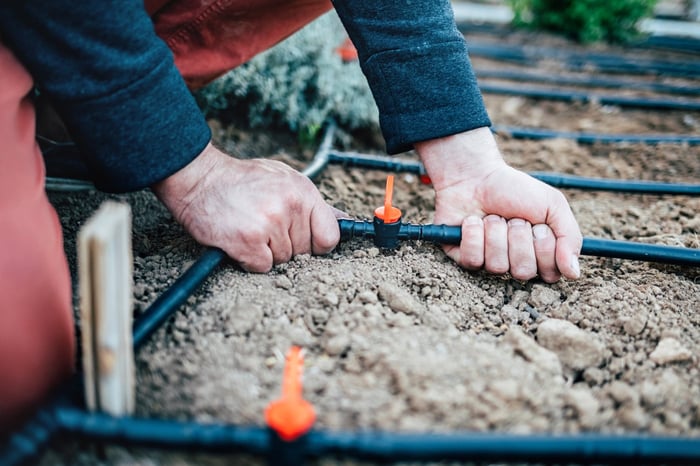
A frozen irrigation system can be an expensive spring headache. To avoid cracks and leaks, you need to winterize irrigation system lines at the end of fall or before the first freeze. That means shutting off water, draining pipes, and blowing out sprinkler lines.
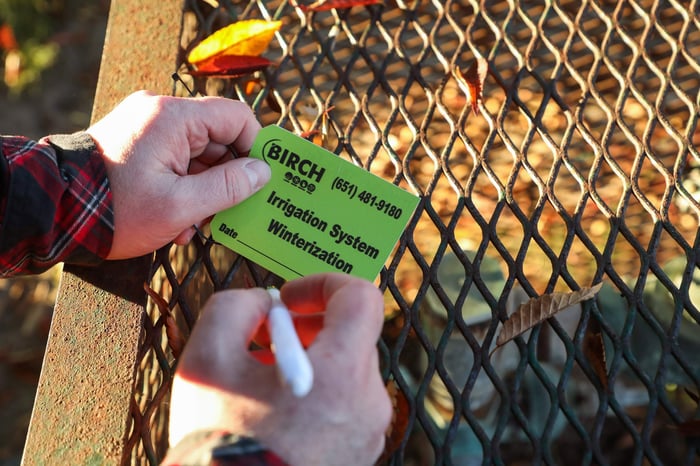
Use utility marking products like irrigation tags or irrigation marking flags to identify each zone and valve as you shut them down. The best marking flags for irrigation systems are weather-resistant and brightly colored, built to stay visible in snow, ice, and mud. Come spring, you’ll know exactly what connects where.
Pro Tip: Before shutting down for winter, place irrigation markers along valve boxes and key connection points. They’ll make spring start-up a breeze.
Clear Leaves and Debris
Leaves left to pile up aren’t just messy; they block sunlight, hold moisture, and smother grass. A thick mat of wet leaves can also breed fungal diseases. Clearing leaves and debris during the fall keeps your lawn healthier, and mulching them can even return nutrients to the soil.
Custom marking flags can help you track progress across large properties. Assign a color to each cleared section so no zone gets skipped. For commercial crews, attaching custom service tags for lawn care to collection bags or bins makes it easy to manage pickups and prove work is complete.
Pro Tip: Don’t wait until all the leaves are down. Rake or mulch in stages to save time and protect grass throughout fall.
Protect Trees, Shrubs, and Other Landscaping
Your lawn isn’t the only part of your landscape that needs prep. Trees, shrubs, and beds need protection to survive winter. As a part of your fall lawn care, wrap tender shrubs, apply mulch around tree bases, and cover perennial beds to lock in moisture and prevent damage from freeze-thaw cycles.
Utility marking flags can be used to identify which plants have been treated or wrapped. You can also apply lawn service tags for pest sprays or other treatments so nothing gets overlooked. Following these fall landscaping tips saves trees and shrubs, reducing replacement costs in spring.
Pro Tip: Mulch after the ground cools but before it freezes. This insulates without trapping excess heat.
Weatherproof Marking Must-Haves
When temperatures drop, it’s important to have marking products that can handle the cold and stay visible through snow and slush. We recommend always having these three essentials on hand:
- High-Gloss Poly Flags: Made from 3mm vinyl and heat-sealed on a wire staff for durability that lasts through cold, wet conditions. These flags are perfect for irrigation projects and cooler climates, with color print options that stay bright and visible all season long.
- Irrigation Tags: Constructed from heavy-duty, 10 mil waterproof synthetic poly paper, these tags won’t crack or fade in the cold. The moisture- and grime-resistant surface keeps your notes legible, even when gloves and gear are covered in slush.
- Service Stickers: Printed on adhesive high-gloss vinyl, these stickers are waterproof, tear-proof, and made to withstand snow, rain, and freezing temperatures. They stick cleanly to metal, plastic, and painted surfaces, holding strong on control boxes, panels, and enclosures. No curling, no smudging, no wasted rework.
Learn more about these winter-ready tools and their applications here.
Shop Fall Lawn Prep Essentials
You’ve got the steps, now you need the tools. With Blackburn’s marking lawn care products for fall, you’ll keep every process organized, visible, and on track.
Whether you’re ordering custom designs or stocking up in bulk, we’ve got you covered. Have questions or a unique request? Let’s talk.
FAQs
What should I do to prepare my lawn for fall?
Aerate, overseed, fertilize, clear leaves and debris, and protect your landscaping. Marking tools help keep the process organized and hazard-free.
When is the best time to fertilize your lawn in fall?
Early to mid-fall, while roots are active. That’s when you can feed the turf without stressing it.
Why is aerating your lawn in the fall important?
It relieves compaction, improves soil health, and helps seed and fertilizer work better. Use survey flags for lawn care to protect sprinkler heads during aeration.
Should I overseed my lawn before winter?
Yes. Overseeding strengthens thin lawns and prepares for a thicker spring. Mark seeded areas with landscaping service tags or marking flags for lawn care to track coverage.
How do I winterize my irrigation system?
Shut off water, drain lines, and tag valves with irrigation markers for quick reactivation in spring. Explore the step-by-step breakdown in our blog for more details.
Is fall lawn prep different for cool season vs warm season grass?
Cool-season grasses thrive on fall aeration and overseeding. Warm-season grasses need aeration and fertilizer but don’t require seeding.
What happens if you skip fall lawn care?
Grass heads into winter weak and patchy, leaving room for weeds and disease in spring. Organized fall lawn care with marking products helps you avoid costly mistakes.