US Dollar
10 Simple Steps to Winterize Your Irrigation System
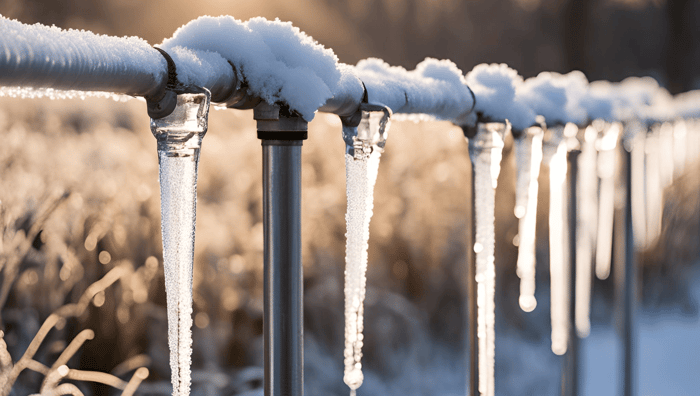
It’s cold weather season, so it's time to start thinking seriously about preparing your home, business, and the systems that keep them running smoothly. Your irrigation system should be on your to-do list. Proper irrigation system winterization is key to preventing damage from freezing temperatures, which can harm pipes and equipment.
You may be wondering, can I winterize my irrigation system myself? The answer is yes! We've laid out 10 simple steps that will help you protect your system, preserve your investment, and make spring startup a breeze.
1. Drain and Remove Water from the System
The first step in winterizing your sprinkler system is to remove all water from the pipes. Standing water can freeze, expand, and cause cracking. Use a blowout method with an air compressor, or if your system has a manual drain, open it to let the water out.
Tip: To avoid confusion during reassembly, consider labeling sections with irrigation flag markers or valve tags to ensure you know which areas were drained.
2. Insulate Exposed Pipes
Protecting irrigation pipes from freezing will help avoid costly repairs. Wrap exposed pipes, backflow preventers, and other components with insulating materials.
Tip: Use weather-resistant insulation to ensure maximum durability and wrap securely with waterproof tape to keep moisture out.
3. Shut Off the Water Supply
After draining the system, shut off the main water supply to prevent any water from entering the pipes during the cold winter months. Most irrigation systems have a dedicated valve for this purpose.
Tip: Mark the valve with a valve tag for easy identification, so you can turn it back on without trouble in spring.
4. Check and Winterize the Backflow Preventer
Backflow preventers prevent contamination of your home’s water supply and require special care in winter. Drain and insulate them if they’re exposed to the elements.
Tip: Place an irrigation flag near your backflow preventer to mark it clearly for spring inspection and make sure the insulation is properly secured.
5. Inspect and Clean Components
While you’re preparing, take a moment to inspect all sprinkler heads, valves, and nozzles for debris or damage. This inspection helps avoid clogs and damage when restarting in the spring.
Tip: Use a soft brush to clean nozzles and heads, and if you spot any damage, note it with a valve tag to replace or repair it in the off-season.
6. Adjust and Program the Controller
Turn off the automatic controller on your system to prevent it from running during winter. Some controllers have a “rain” or “off” setting that will prevent unnecessary watering.
Tip: Set a reminder to adjust the controller back on in early spring, ensuring your irrigation schedule is efficient and prevents over-watering when temperatures rise.
7. Winterize Drip Irrigation Systems
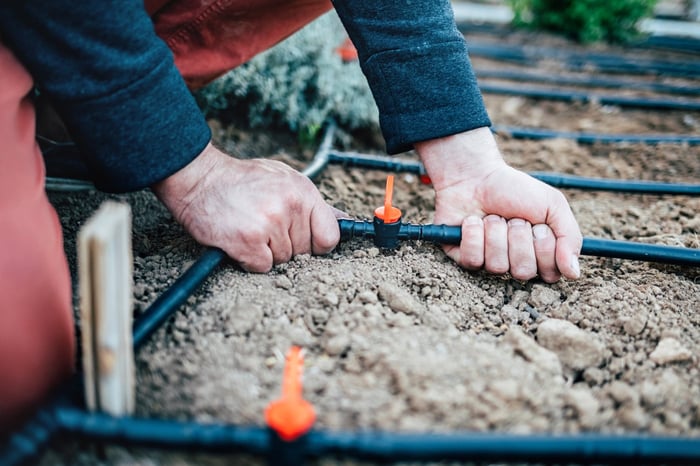
Winterizing drip irrigation systems requires extra care. Disconnect all hoses, drain any remaining water, and store them in a dry area. Drip systems can be delicate, so taking time to winterize will prevent splitting and clogging.
Tip: Label your drip irrigation components to make reinstallation easier when the season changes.
8. Cover Outdoor Spigots and Hose Bibs
Exposed spigots and hose bibs should be drained and covered to avoid freezing and splitting. Use insulated covers, available at most home improvement stores, for added protection.
Tip: Label or mark these covers with irrigation flags so you don’t forget to uncover and reattach any hoses or accessories when temperatures warm up.
9. Schedule Maintenance or Professional Services
If you’re unsure how to prepare your irrigation system for winter or don’t have the necessary tools, consider hiring a professional. They’ll follow best practices for irrigation in cold weather to winterize your system safely.
Tip: Scheduling a maintenance check before winter gets too cold can uncover minor issues that can be fixed before the freeze, giving you peace of mind.
10. Plan Ahead for Spring
The final step in winterizing is preparing for a smooth startup in spring. When should I winterize my sprinkler system? Early enough to avoid unexpected freezes but late enough to maximize the watering season.
Tip: Create or save a checklist of steps to winterize lawn sprinkler systems (like this one) and attach it to your controller or place it with your irrigation tools for easy access next season and the constant reminder to stay on top of things!
Weatherproof Marking Must-Haves
When temperatures drop, it’s important to have marking products that can handle the cold and stay visible through snow and slush. We recommend always having these three essentials on hand:
- High-Gloss Poly Flags: Made from 3mm vinyl and heat-sealed on a wire staff for durability that lasts through cold, wet conditions. These flags are perfect for irrigation projects and cooler climates, with color print options that stay bright and visible all season long.
- Irrigation Tags: Constructed from heavy-duty, 10 mil waterproof synthetic poly paper, these tags won’t crack or fade in the cold. The moisture- and grime-resistant surface keeps your notes legible, even when gloves and gear are covered in slush.
- Service Stickers: Printed on adhesive high-gloss vinyl, these stickers are waterproof, tear-proof, and made to withstand snow, rain, and freezing temperatures. They stick cleanly to metal, plastic, and painted surfaces, holding strong on control boxes, panels, and enclosures. No curling, no smudging, no wasted rework.
Learn more about these winter-ready tools and their applications here.
Prepare Your Irrigation System for Winter with Blackburn
Taking these steps will ensure your lawn irrigation system remains in top condition. By investing a little time in irrigation winter preparation and sprinkler system maintenance now, you’ll prevent issues and extend the life of your system – giving you peace of mind through the winter and a lush landscape come spring.
Blackburn has many tools to help make irrigation system winterization and general maintenance easier. Check them out! For more guidance on how to best implement them, we've answered your Top 10 Questions About Lawn and Irrigation Marking.
FAQs
What flags are the best choice for marking in cold weather?
Poly flags! Blackburn’s high-gloss poly flags are made from 3mm polyethylene that stays flexible and strong well below freezing. Unlike PVC, which cracks around 32°F, these flags resist snapping, curling, and fading, making them ideal for winter use.
How do poly flags hold up in snow and ice?
Blackburn’s poly flags are heat-sealed on a durable wire staff, ensuring they stay upright and intact even in frozen or rocky ground. Their high-gloss, moisture-resistant surface prevents frost and sleet from sticking, so colors stay bright and legible all season.
What makes Blackburn’s poly flags more durable than standard marking flags?
Each flag is constructed from high-density polyethylene vinyl and heat-sealed to the wire staff for maximum strength. This design prevents splitting and detachment, even in extreme cold, helping them last longer and reducing replacement costs.
Can poly flags be used for irrigation work during winter months?
Yes. Blackburn’s high-poly flags are perfect for marking irrigation zones and underground lines in cold or frozen soil. They’re designed to perform in cooler climates and maintain visibility and flexibility through snow, frost, and wind.
Are Blackburn’s service stickers weatherproof for cold climates?
Yes. Our weather-resistant service note stickers feature strong adhesives and protective laminates that prevent peeling or fading in freezing temperatures. They’re perfect for year-round use on equipment, service panels, and irrigation systems.
How do weatherproof service stickers help irrigation and landscape companies?
Durable service stickers help crews leave clear, lasting notes—such as “winterized,” “next service due,” or “come back”—that remain visible and intact through snow and thaw cycles.
Are Blackburn’s irrigation tags durable enough for winter conditions?
Yes. Our irrigation tags are made from tough, weatherproof poly paper that resists cracking, tearing, and fading. They remain legible even after exposure to moisture, cold, and UV light, helping crews stay organized during winter maintenance.
Can I customize cold-weather flags, tags, and stickers with my company logo?
Definitely. Blackburn offers custom, vibrant printing on flags, tags, and service stickers. Add your logo, contact info, or QR code to create professional, weather-resistant materials that promote your brand on every job site.